Thank you for visiting SNEWPapers!
Sign up free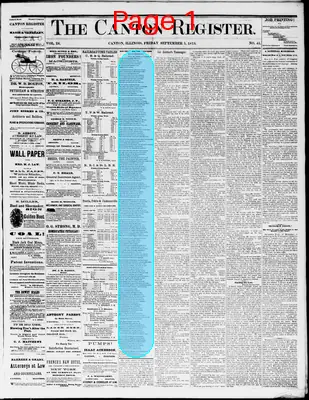
Poem
September 5, 1873
Canton Register
Canton, Fulton County, Illinois
What is this article about?
John Greenleaf Whittier's narrative poem recounts the scandalous life of Sir Christopher Gardiner, a cavalier knight in the Puritan colony of Massachusetts. Posing as a pious settler, he secretly harbors a mistress, practices Catholicism, and has multiple wives in England, leading to his arrest and deportation.
Clipping

OCR Quality
98%
Excellent
Full Text
RHYME OF SIR CHRISTOPHER
By J. G. Whittier.
From the Atlantic for September
It was Sir Christopher Gardiner,
Knight of the Holy Sepulchre,
From Merry England over the sea,
Who stepped upon the continent
As if his august presence lent
A glory to the colony.
You should have seen him in the street
Of the little Borough of Winnthrop's time,
His rapier dangling at his feet,
Doublet and hose and boot complete,
Prince Rupert hat with ostrich plume,
Gloves that exhaled a faint perfume,
Lustrous curls and air sublime,
And superior manners now obsolete;
He had a way of making things
That made one think of courts and kings,
And lords and ladies of high degree;
So that not having been at court,
Seemed something very little short
Of treason or lèse-majesté.
Such an accomplished knight was he.
His dwelling was just beyond the town,
At what he called his country-seat;
For careless of Fortune's smile or frown,
And weary grown of the world and its ways,
He wished to pass the rest of his days
In a private life and a calm retreat.
But a double life was the life he led;
And while professing to be in search
Of a godly course, and willing, he said,
Nay, anxious to join the Puritan Church,
He made of all this but small account,
And passed his idle hours instead
With roystering Morton or Merry Mount,
That pettifogger from Furnival's Inn,
Lord of misrule and riot and sin,
Who looked on the wine when it was red.
His country-seat was little more
Than a cabin of logs; but in front of the door
A modest flower-bed, thickly sown
With sweet alyssum and columbine,
Made those who saw it at once divine
The touch of some other hand than his own.
And first it was whispered, and then it was known
That he in secret was harboring there
A little lady with golden hair,
Whom he called his cousin, but whom he had wed
In the Italian manner, as men said,
And great was the scandal everywhere.
But worse than this was the vague surmise—
Though none could vouch for it or aver—
That the Knight of the Holy Sepulchre
Was only a Papist in disguise;
And the more to embitter their bitter lives,
And the more to trouble the public mind,
Came letters from England, from two other wives
Whom he had carelessly left behind;
Both of them letters of such a kind
As made the Governor hold his breath:
The one imploring him straight to send
The husband home, that he might amend:
The other asking his instant death,
As the only way to make an end.
The wary Governor deemed it right,
When all his wickedness was revealed,
To send his warrant, signed and sealed,
And take the body of the Knight.
Armed with this mighty instrument,
The Marshal, mounting his gallant steed,
Rode forth from town at the top of his speed,
And followed by all of his bailiffs bold.
As if on high achievement bent,
To storm some castle or stronghold,
Challenge the warder on the wall,
And seize in his ancestral hall
A robber-baron grim and old.
But when through all the dust and heat
He came to Sir Christopher's country-seat,
No Knight he found, nor warder there,
But the little lady with the golden hair,
Who was gathering in the bright sunshine
The sweet alyssum and columbine;
While gallant Sir Christopher, all so gay,
Being forewarned, through the postern-gate
Of his castle wall, had tripped away,
And was keeping a little holiday
In the forest that bounded his estate.
Then as a trusty Squire and true,
The Marshal searched the castle through,
Not crediting what the lady said;
Searched from cellar to garret in vain,
And finding no Knight, came out again,
And arrested the golden damsel instead,
And bore her in triumph into the town,
While from her eyes the tears rolled down
On the sweet alyssum and columbine
That she held in her fingers white and fine.
The Governor's heart was moved to see
So fair a creature caught within
The snares of Satan and of sin,
And read her a little homily
On the folly and wickedness of the lives
Of women half cousins and half wives;
But, seeing that naught his words availed,
He sent her away in a ship that sailed
For Merry England over the sea,
To the two other wives in the old country,
To search her further, since he had failed
To come at the heart of the mystery.
Meanwhile Sir Christopher wandered away
Through pathless woods, for a month and a day,
Shooting pigeons, and sleeping at night
With the noble savage, who took delight
In his feathered hat and velvet vest,
His gun and his rapier and the rest.
But as soon as the noble savage heard
That a bounty was offered for this gay bird,
He wanted to slay him out of hand,
And bring in his beautiful scalp for a show,
Like the glossy head of a kite or crow;
Until he was made to understand
They wanted the bird alive, not dead;
Then he followed him whithersoever he fed,
Through forest and field, and hunted him down,
And brought him prisoner into the town.
Alas! it was a rueful sight,
To see this melancholy knight
In such a dismal and hapless plight:
His hat deformed by rain and dent,
His plumage broken, his doublet rent,
His beard and flowing locks forlorn,
Matted, dishevelled and unshorn,
His boots with dirt and mire besprent;
But dignified in his disgrace,
And wearing an unblushing face,
And thus before the magistrate
He stood to hear the doom or fate.
In vain he strove, with wonted care,
To modify and extenuate
His evil deeds in Church and State;
For gone was now his power to clear
And his pungent words had no more weight
Than feathers flying in the breeze;
With gravity equal to his own
The Governor lent a patient ear
To the ireful, evasive and high-flown,
In which he endeavored to make a clear
That colonial laws were lone revered
When applied to a gallant cavalier,
A gentleman born, and so well known,
And accustomed to move in a higher sphere;
All this the Puritan Governor heard,
And deigned in answer never a word;
But in summary manner shipped away
In a vessel that sailed from Salem Bay
This splendid and famous cavalier,
With his Rupert hat and his Popery,
To Merry England over the sea,
As being unmeet to inhabit here.
Thus endeth the Rhyme of Sir Christopher,
Knight of the Holy Sepulchre,
The first who furnished this barren land
With apples of Sodom and ropes of sand.
By J. G. Whittier.
From the Atlantic for September
It was Sir Christopher Gardiner,
Knight of the Holy Sepulchre,
From Merry England over the sea,
Who stepped upon the continent
As if his august presence lent
A glory to the colony.
You should have seen him in the street
Of the little Borough of Winnthrop's time,
His rapier dangling at his feet,
Doublet and hose and boot complete,
Prince Rupert hat with ostrich plume,
Gloves that exhaled a faint perfume,
Lustrous curls and air sublime,
And superior manners now obsolete;
He had a way of making things
That made one think of courts and kings,
And lords and ladies of high degree;
So that not having been at court,
Seemed something very little short
Of treason or lèse-majesté.
Such an accomplished knight was he.
His dwelling was just beyond the town,
At what he called his country-seat;
For careless of Fortune's smile or frown,
And weary grown of the world and its ways,
He wished to pass the rest of his days
In a private life and a calm retreat.
But a double life was the life he led;
And while professing to be in search
Of a godly course, and willing, he said,
Nay, anxious to join the Puritan Church,
He made of all this but small account,
And passed his idle hours instead
With roystering Morton or Merry Mount,
That pettifogger from Furnival's Inn,
Lord of misrule and riot and sin,
Who looked on the wine when it was red.
His country-seat was little more
Than a cabin of logs; but in front of the door
A modest flower-bed, thickly sown
With sweet alyssum and columbine,
Made those who saw it at once divine
The touch of some other hand than his own.
And first it was whispered, and then it was known
That he in secret was harboring there
A little lady with golden hair,
Whom he called his cousin, but whom he had wed
In the Italian manner, as men said,
And great was the scandal everywhere.
But worse than this was the vague surmise—
Though none could vouch for it or aver—
That the Knight of the Holy Sepulchre
Was only a Papist in disguise;
And the more to embitter their bitter lives,
And the more to trouble the public mind,
Came letters from England, from two other wives
Whom he had carelessly left behind;
Both of them letters of such a kind
As made the Governor hold his breath:
The one imploring him straight to send
The husband home, that he might amend:
The other asking his instant death,
As the only way to make an end.
The wary Governor deemed it right,
When all his wickedness was revealed,
To send his warrant, signed and sealed,
And take the body of the Knight.
Armed with this mighty instrument,
The Marshal, mounting his gallant steed,
Rode forth from town at the top of his speed,
And followed by all of his bailiffs bold.
As if on high achievement bent,
To storm some castle or stronghold,
Challenge the warder on the wall,
And seize in his ancestral hall
A robber-baron grim and old.
But when through all the dust and heat
He came to Sir Christopher's country-seat,
No Knight he found, nor warder there,
But the little lady with the golden hair,
Who was gathering in the bright sunshine
The sweet alyssum and columbine;
While gallant Sir Christopher, all so gay,
Being forewarned, through the postern-gate
Of his castle wall, had tripped away,
And was keeping a little holiday
In the forest that bounded his estate.
Then as a trusty Squire and true,
The Marshal searched the castle through,
Not crediting what the lady said;
Searched from cellar to garret in vain,
And finding no Knight, came out again,
And arrested the golden damsel instead,
And bore her in triumph into the town,
While from her eyes the tears rolled down
On the sweet alyssum and columbine
That she held in her fingers white and fine.
The Governor's heart was moved to see
So fair a creature caught within
The snares of Satan and of sin,
And read her a little homily
On the folly and wickedness of the lives
Of women half cousins and half wives;
But, seeing that naught his words availed,
He sent her away in a ship that sailed
For Merry England over the sea,
To the two other wives in the old country,
To search her further, since he had failed
To come at the heart of the mystery.
Meanwhile Sir Christopher wandered away
Through pathless woods, for a month and a day,
Shooting pigeons, and sleeping at night
With the noble savage, who took delight
In his feathered hat and velvet vest,
His gun and his rapier and the rest.
But as soon as the noble savage heard
That a bounty was offered for this gay bird,
He wanted to slay him out of hand,
And bring in his beautiful scalp for a show,
Like the glossy head of a kite or crow;
Until he was made to understand
They wanted the bird alive, not dead;
Then he followed him whithersoever he fed,
Through forest and field, and hunted him down,
And brought him prisoner into the town.
Alas! it was a rueful sight,
To see this melancholy knight
In such a dismal and hapless plight:
His hat deformed by rain and dent,
His plumage broken, his doublet rent,
His beard and flowing locks forlorn,
Matted, dishevelled and unshorn,
His boots with dirt and mire besprent;
But dignified in his disgrace,
And wearing an unblushing face,
And thus before the magistrate
He stood to hear the doom or fate.
In vain he strove, with wonted care,
To modify and extenuate
His evil deeds in Church and State;
For gone was now his power to clear
And his pungent words had no more weight
Than feathers flying in the breeze;
With gravity equal to his own
The Governor lent a patient ear
To the ireful, evasive and high-flown,
In which he endeavored to make a clear
That colonial laws were lone revered
When applied to a gallant cavalier,
A gentleman born, and so well known,
And accustomed to move in a higher sphere;
All this the Puritan Governor heard,
And deigned in answer never a word;
But in summary manner shipped away
In a vessel that sailed from Salem Bay
This splendid and famous cavalier,
With his Rupert hat and his Popery,
To Merry England over the sea,
As being unmeet to inhabit here.
Thus endeth the Rhyme of Sir Christopher,
Knight of the Holy Sepulchre,
The first who furnished this barren land
With apples of Sodom and ropes of sand.
What sub-type of article is it?
Ballad
Satire
What themes does it cover?
Satire Society
Political
Moral Virtue
What keywords are associated?
Sir Christopher Gardiner
Puritan Colony
Colonial Scandal
Cavalier Knight
Whittier Rhyme
Merry England
Papistry Disguise
Governor Warrant
What entities or persons were involved?
By J. G. Whittier.
Poem Details
Title
Rhyme Of Sir Christopher
Author
By J. G. Whittier.
Subject
Sir Christopher Gardiner In The Puritan Colony
Form / Style
Rhymed Narrative Verse
Key Lines
It Was Sir Christopher Gardiner,
Knight Of The Holy Sepulchre,
From Merry England Over The Sea,
Who Stepped Upon The Continent
As If His August Presence Lent
A Glory To The Colony.
But A Double Life Was The Life He Led;
And While Professing To Be In Search
Of A Godly Course, And Willing, He Said,
Nay, Anxious To Join The Puritan Church,
He Made Of All This But Small Account,
And Passed His Idle Hours Instead
With Roystering Morton Or Merry Mount,